
When Safe Havens Shake: What is Behind Gold and Silver’s Wild Slide
Gold and silver’s sharp tumble was not just panic selling, it was a classic mix of rising rate expectations, a stronger dollar, and profit-taking after a blistering rally, echoing the same historical patterns that have long made precious metals both a safe haven and a volatile trade.
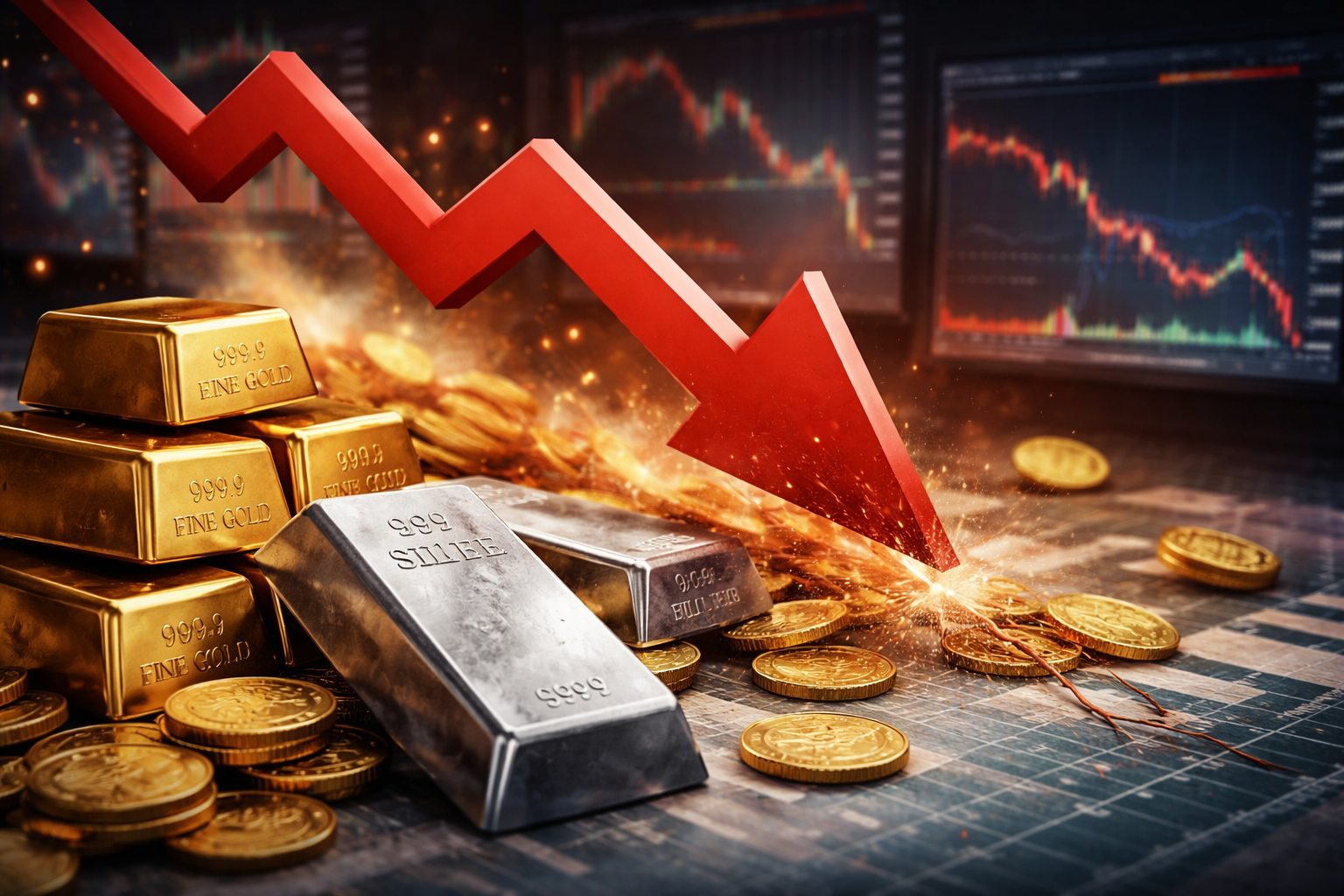
In the first weeks of 2026, precious-metals markets delivered one of the most startling twists in recent memory. After a breathtaking run that pushed gold and silver to record highs, both metals suddenly plunged, gold falling nearly 10% and silver tumbling nearly 30–35% in a very short span. On February 3, gold even staged a rebound rally, marking its biggest daily gain since 2008, but the recent sell-off was historic nonetheless.
At the heart of the sell-off was a change in investor expectations about U.S. monetary policy. Markets had been pricing in easier policy, lower interest rates and a weaker dollar, which typically support gold and silver, but the nomination of Kevin Warsh as the next Federal Reserve Chair suddenly shifted that outlook toward a “higher-for-longer” rate environment and a firmer dollar. That combination makes non-yielding assets like gold and silver less attractive compared to interest-bearing securities, prompting many holders to trim positions.
But it was not just central-bank politics at play. The metals had already climbed steeply, silver up more than 150% in 2025 and gold up around 65%, leaving markets technically “overbought.” As risk sentiment improved across global markets, some investors began taking profits, while leveraged players were forced to unwind positions as exchanges hiked margin requirements. This cascade of selling amplified the losses, especially in silver, where markets are smaller and more sensitive to speculative flows. This dramatic fall in gold and silver prices could be likened to the infamous 1980 Silver Crash when silver fell dramatically from its spike (famously tied to the Hunt Brothers’ attempts to corner the market), losing over 90% of its value over several years before stabilizing.
The psychological impact was just as sharp as the price moves themselves. For many retail traders who had piled into the metals on momentum and “fear of missing out,” the sudden reversal felt like a shock, some even described the drops as among the most violent in decades. Yet despite the volatility, a broad swath of analysts views the drop as more of a technical reset than a structural breakdown. The macro backdrop of inflation pressures, high global debt, geopolitical uncertainty, and continued interest from central banks still underpins the long-term case for precious metals.
In practical terms, what we saw in late January was not just raw fear or panic selling, it was markets recalibrating after an extraordinary stretch of gains, with short-term positioning unwinding faster than many expected. Whether gold and silver resume their previous upward trends will depend on how monetary policy actually plays out and how investor appetite for safe havens evolves in the months ahead.