The Impact of OpenAI Going Public
A potential OpenAI IPO could mark a defining moment for global markets, reshaping how investors value artificial intelligence, growth, and the future of innovation.
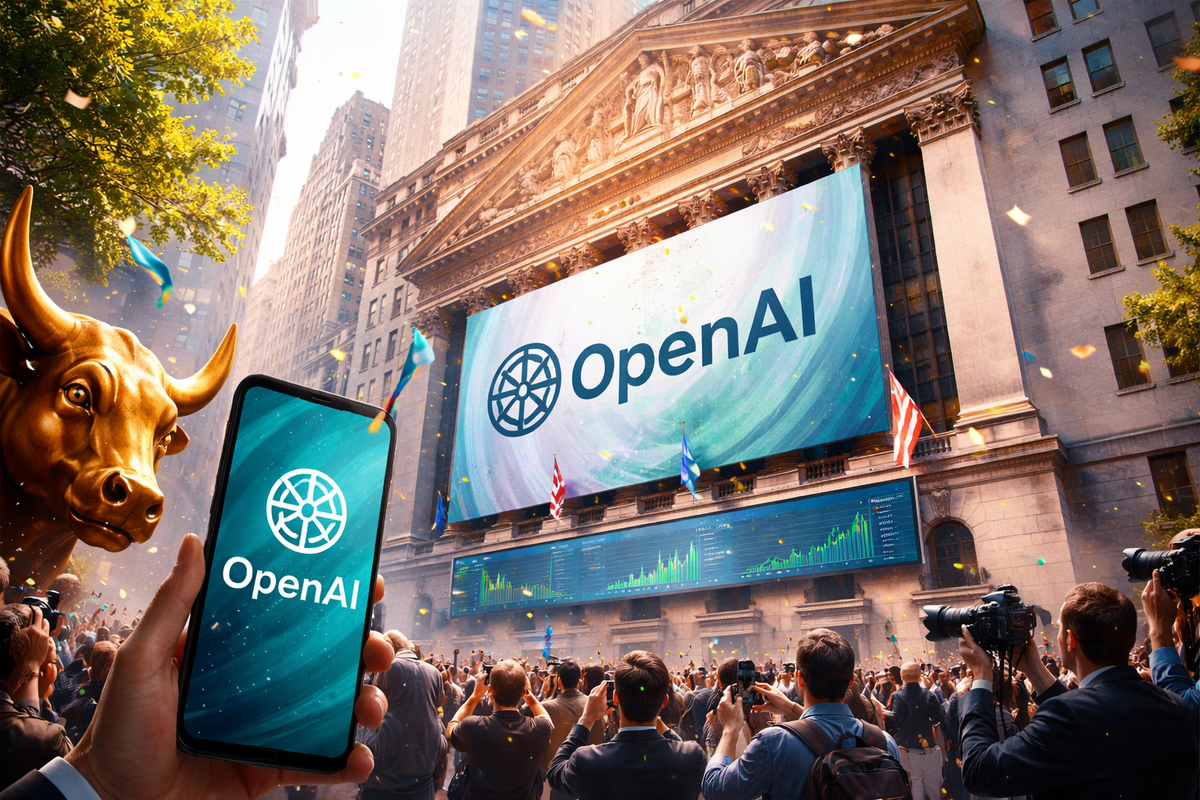
The prospect of OpenAI going public has captured the attention of investors and market watchers worldwide, with advisers laying the groundwork for what could become one of the largest initial public offerings in history. From retail investors experimenting with AI tools to institutions pouring billions into data centers, OpenAI has become a symbol of how quickly artificial intelligence has moved from labs into everyday life. That is why reports suggesting OpenAI could list at a valuation as high as $1 trillion have stirred excitement and unease in equal measure. According to Reuters, the company has already begun laying the groundwork for a blockbuster IPO, one that could rival the biggest tech listings in history.
If OpenAI does go public, the immediate impact on markets would likely be psychological as much as financial. A listing of this size would reignite enthusiasm for tech and growth stocks after a relatively subdued IPO environment. Investors who missed out on early private rounds would finally get public-market access to what many see as the most important AI company in the world. OpenAI’s IPO could also open the floodgates for other mega-listings, reinforcing the idea that AI is the dominant investment theme of the decade.
But behind the excitement, investors would be forced to confront uncomfortable questions about profitability. OpenAI is growing rapidly, yet it is also spending heavily on compute, talent, and infrastructure. Once public, those costs would be scrutinised every quarter. Some analysts warn that the current wave of AI enthusiasm risks pushing valuations ahead of fundamentals, which questions whether recent OpenAI share sales reflect sustainable value or peak-cycle optimism.
There is also a human and governance angle that markets cannot ignore. OpenAI’s unique origins as a nonprofit-aligned organisation do not fit neatly into the public-company mould. CEO Sam Altman himself has acknowledged discomfort with the idea of running OpenAI as a public firm, highlighting the tension between long-term AI safety goals and short-term shareholder expectations. The Times of India reports that these leadership and structural questions remain unresolved and markets tend to price uncertainty quickly.
Ultimately, an OpenAI IPO would be a litmus test for the entire AI trade. If the listing is well-received and the company demonstrates a credible path to sustainable profits, it could validate today’s massive AI investments and push markets higher. If it stumbles, the fallout could extend far beyond one stock, forcing a rethink of AI valuations across tech. OpenAI’s debut won’t just be about one company, it will shape how public markets value intelligence itself.